


A palette of enticing flavours from across Japan's seasons and soils
Japan, from north to south, in a single bite or sip
Why consumers love Japan and its vibrant and versatile kitchen
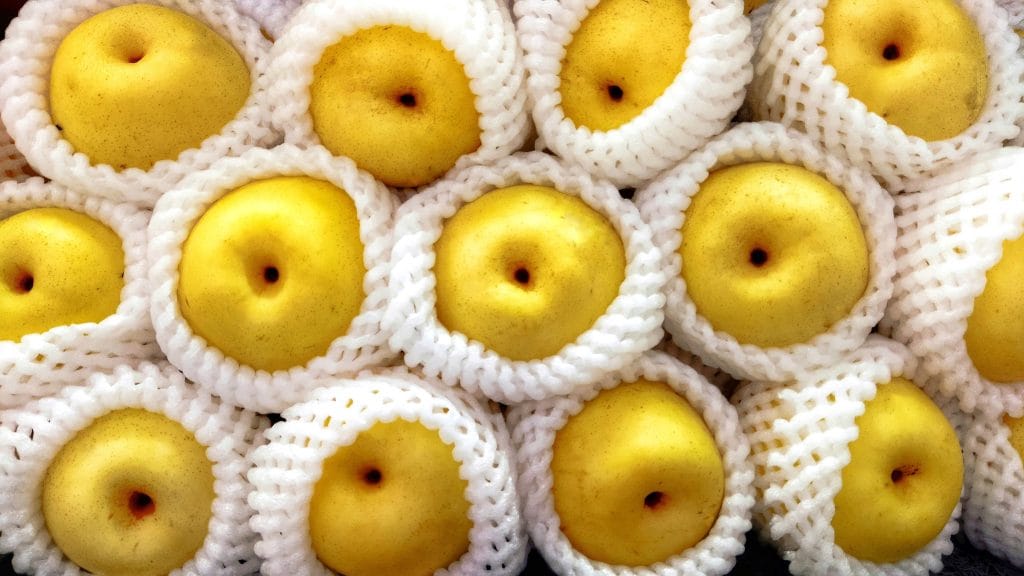
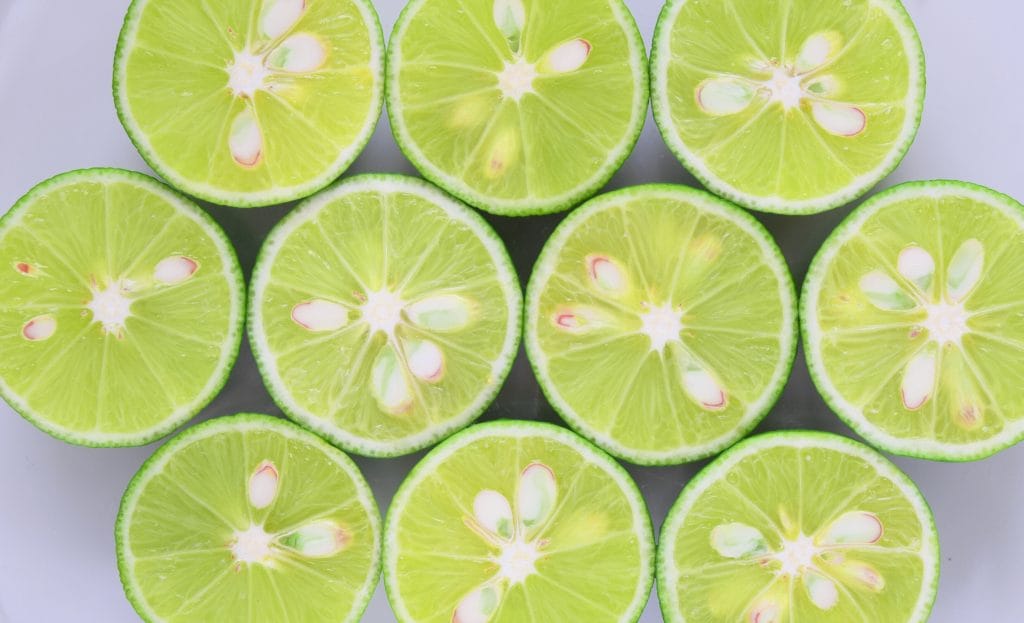
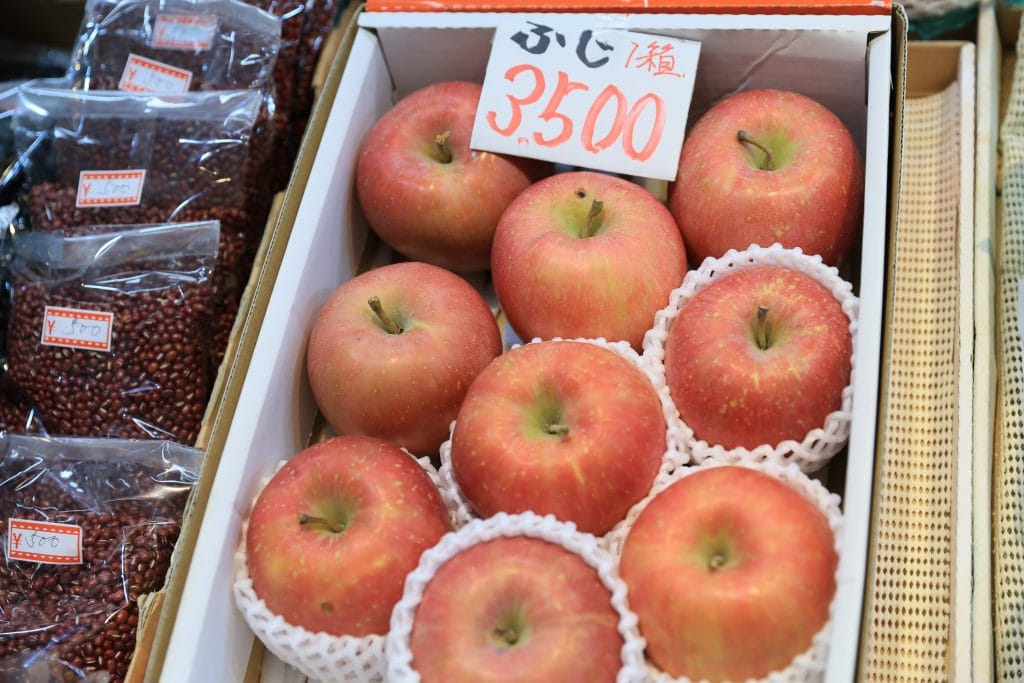
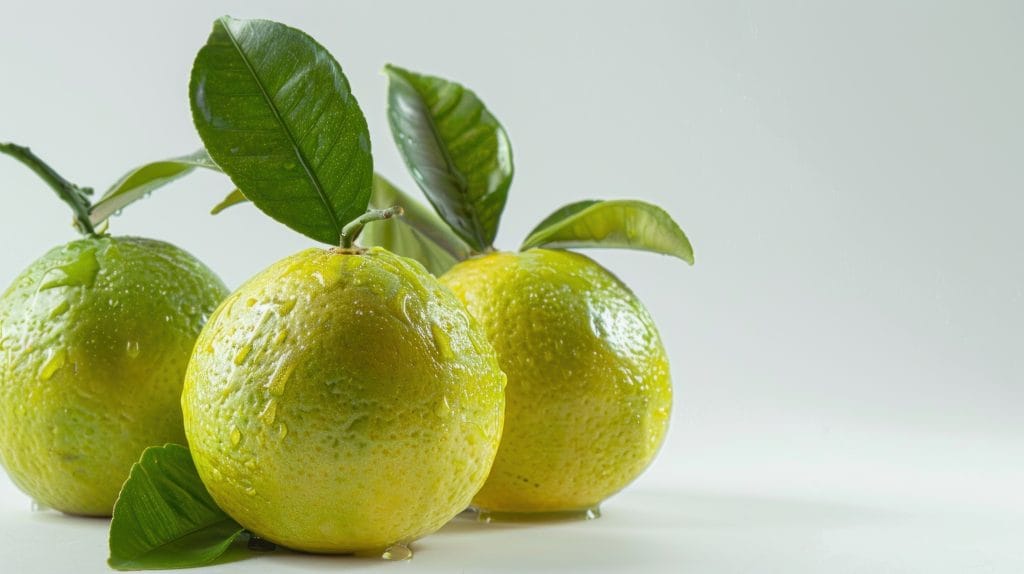
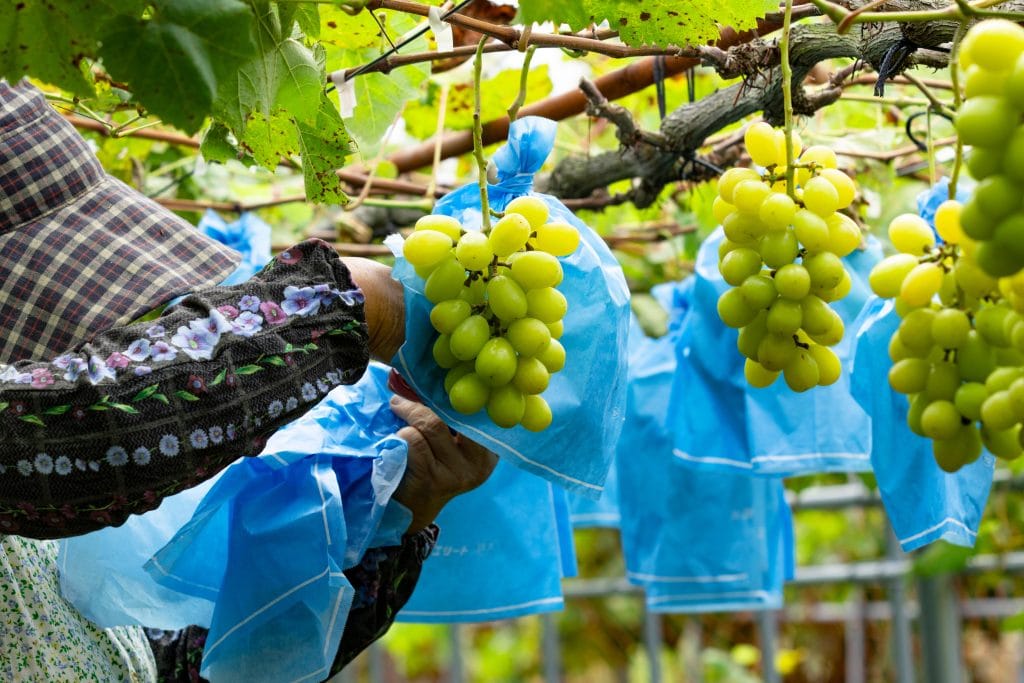
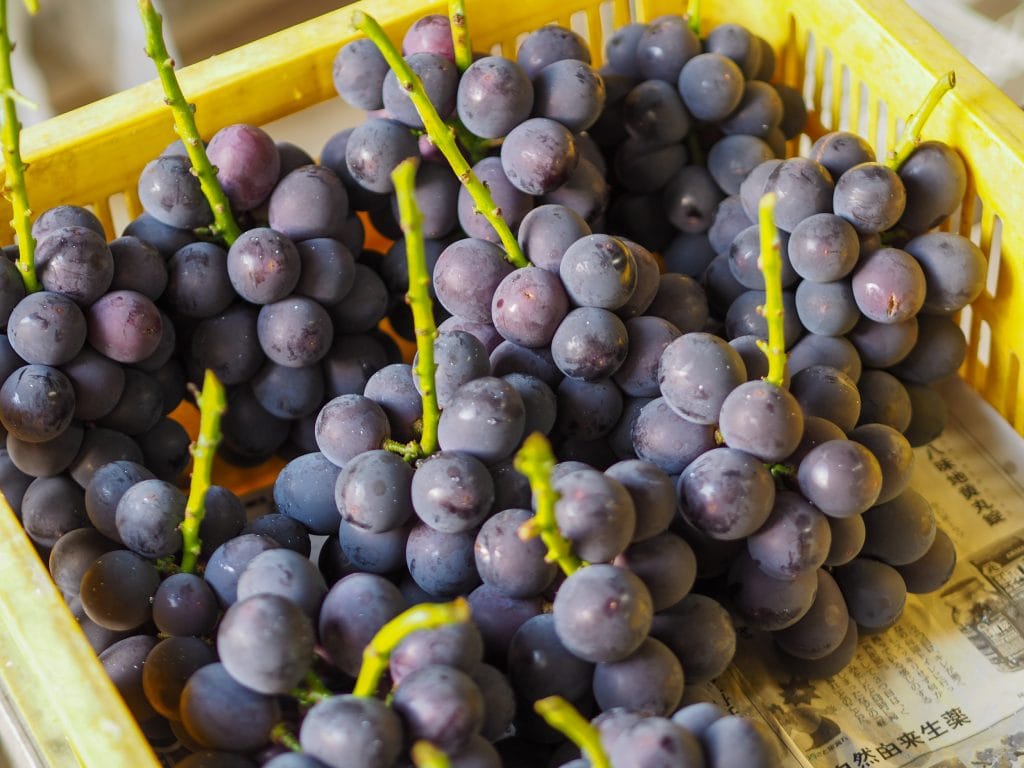
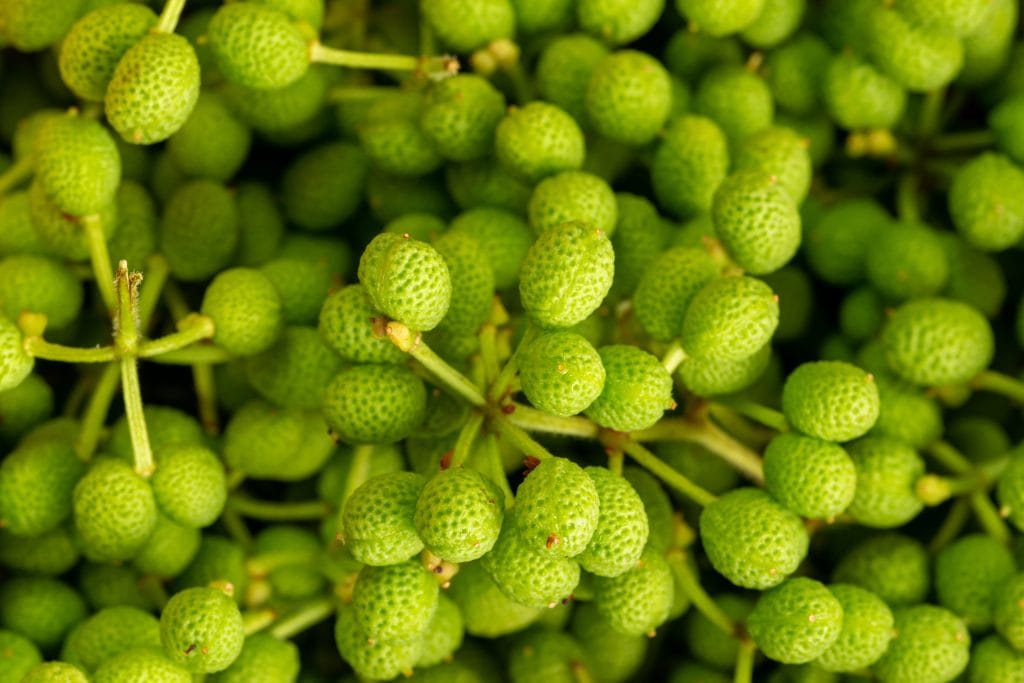
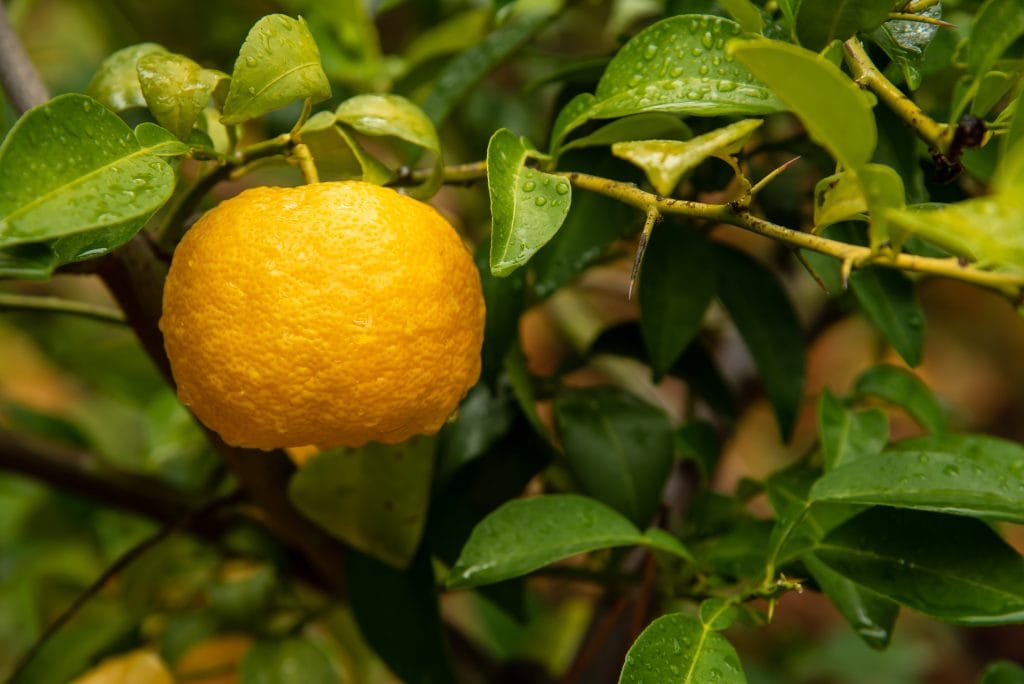
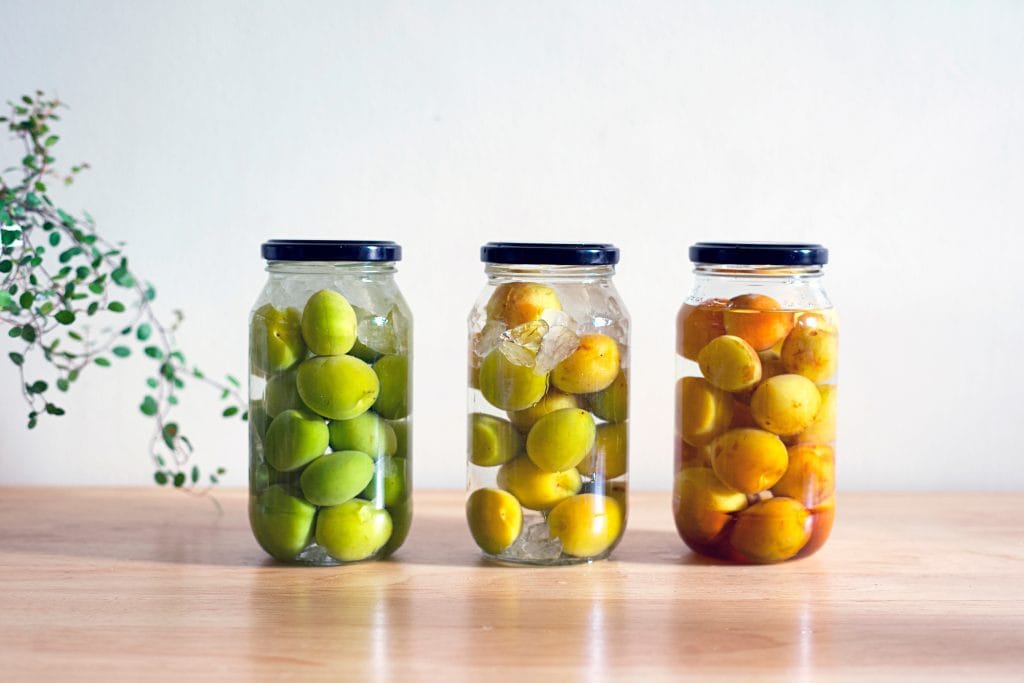
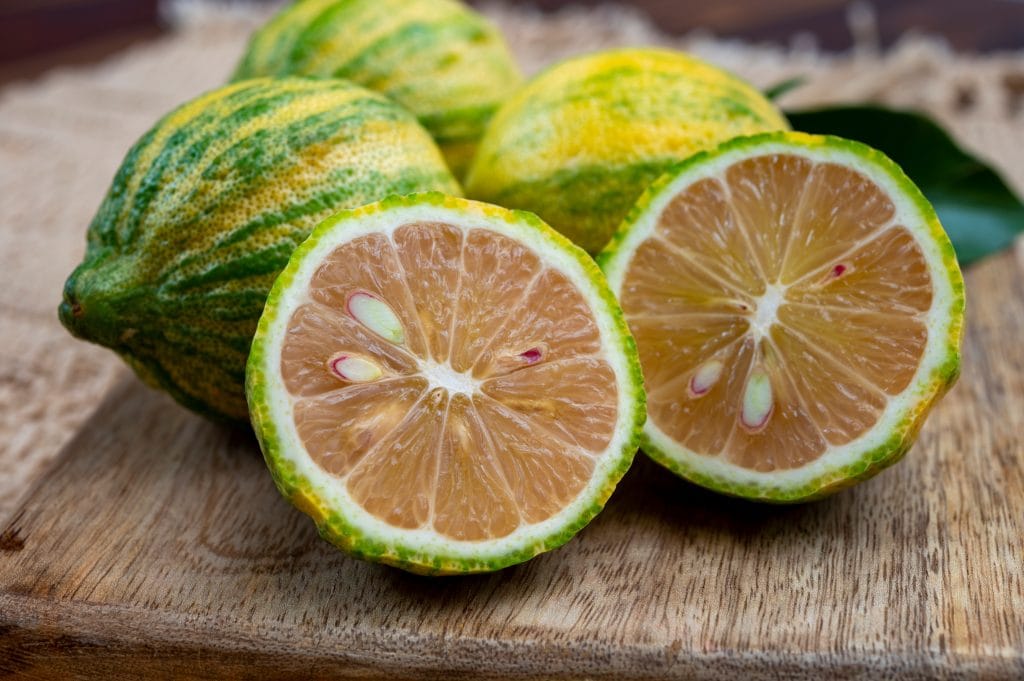
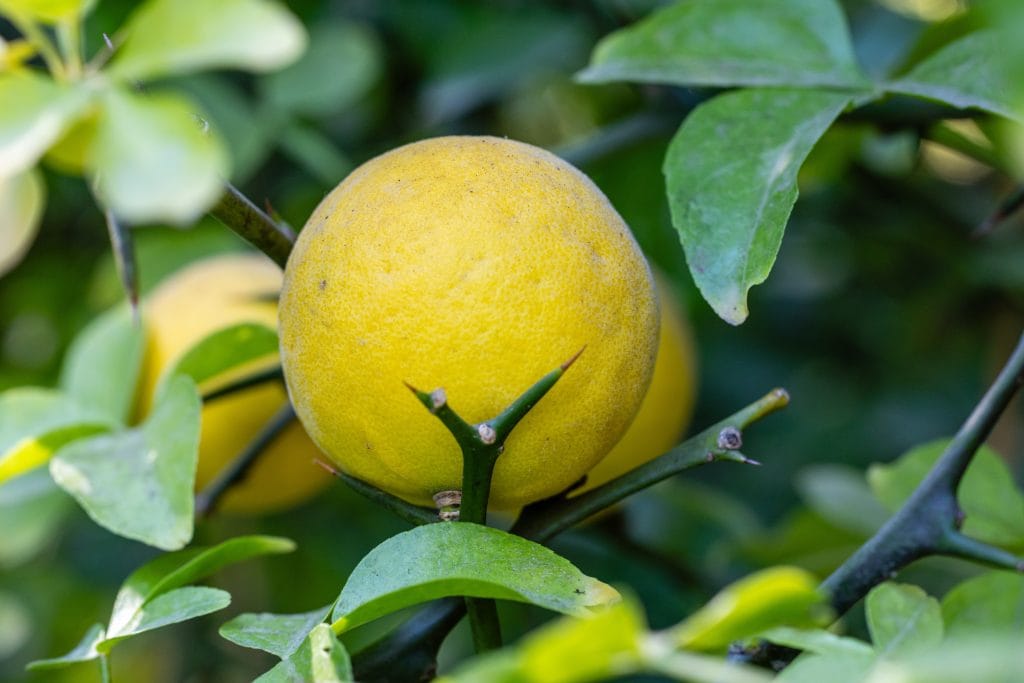
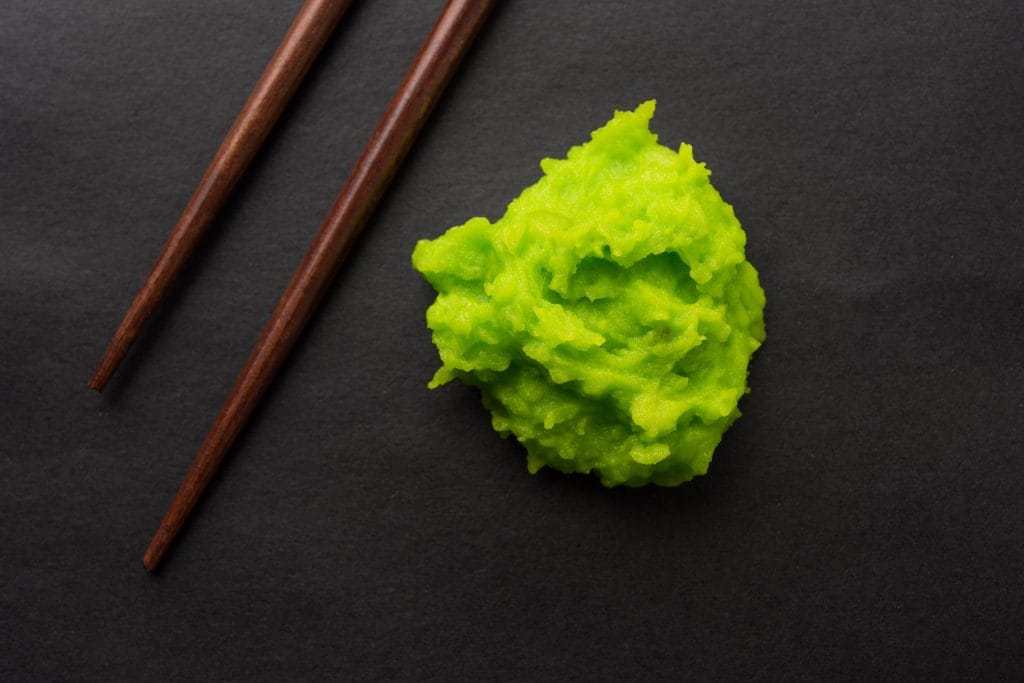
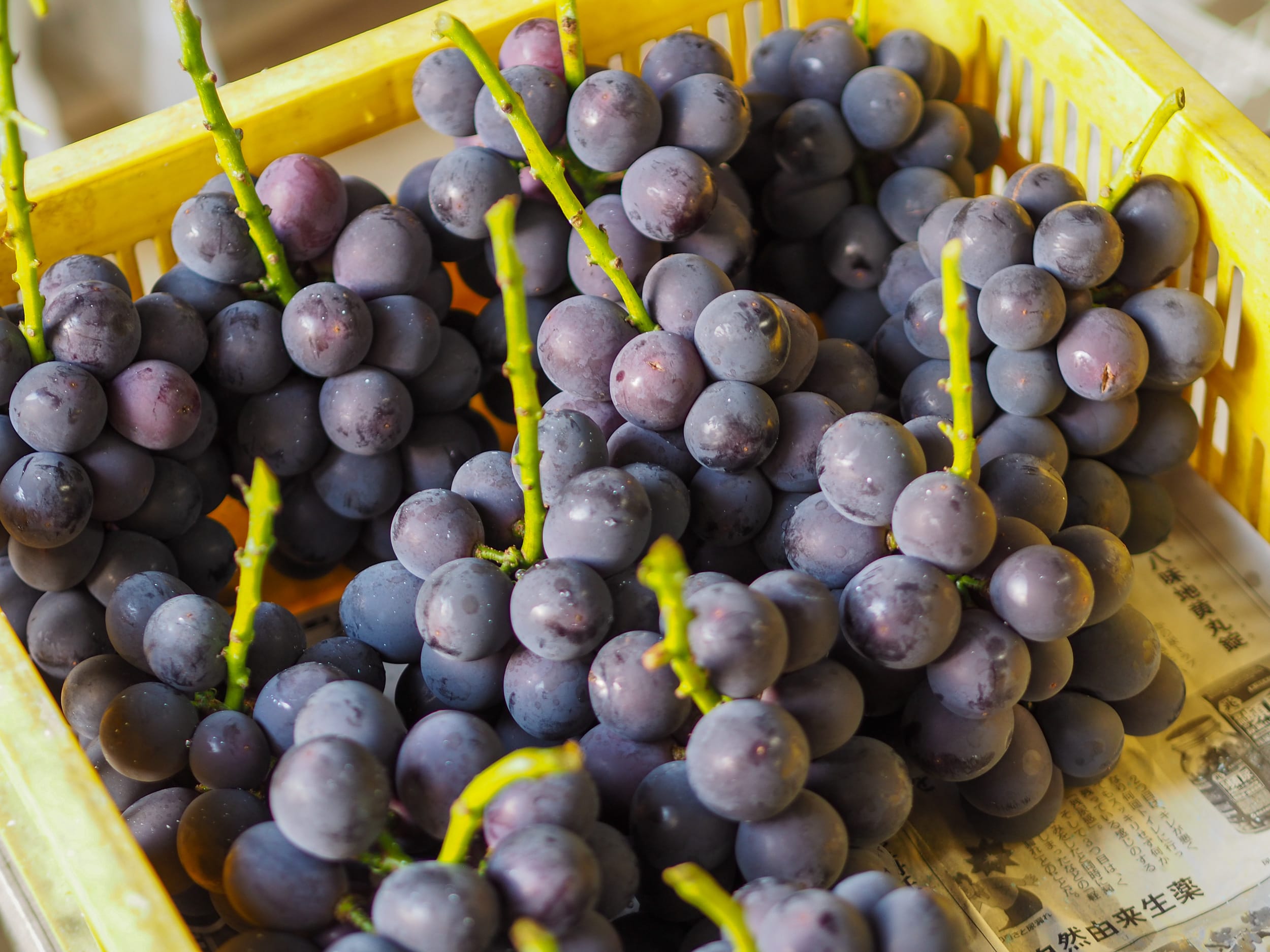
The tingle of sansho, the brightness of sudachi, the deep sweetness of Kyoho and Shine Muscat, anchored by Aomori’s iconic Fuji and the rare floral warmth of Hyuganatsu. Japan’s pantry holds an abundance of flavours and aromas, each locally anchored in various regions, meticulously selected and often freighted and treated with the utmost respect and care. Japan has long understood that a perfect piece of fruit deserves to be treated as such: foam-wrapped, carefully displayed, and priced with intention.
Why Japanese cuisine and flavours are highly relevant in 2026
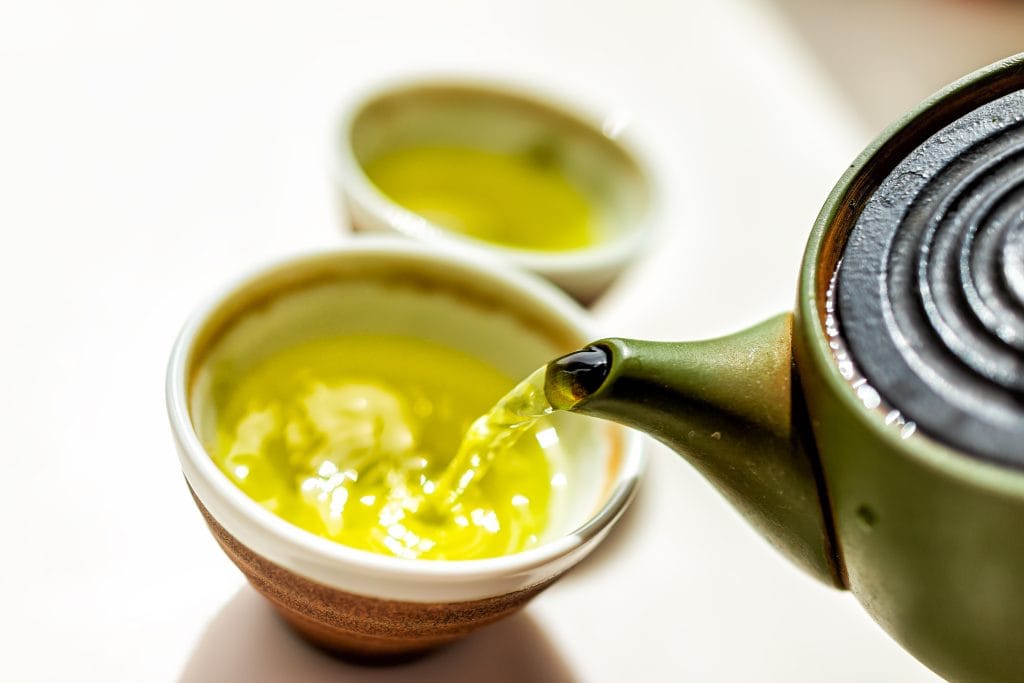
In the FMCG industry, competition for consumers’ attention is fierce. Market leaders and big brands are constantly innovating to meet consumer needs and adapt to ever-shifting market dynamics and megatrends. Japanese flavours are capturing global attention like never before, reflecting both the country’s rich culinary heritage and its growing cultural influence. In 2026, Japan stands at the forefront of flavour innovation, with more international visitors than ever and a vibrant exchange of food traditions shaping both local and global palates. Different variations of Japanese cuisine are arriving in Europe with remarkable range and ambition. The omakase counter, where the chef dictates every course and the guest surrenders to the experience, has moved from a Tokyo institution to a benchmark for high-end dining across London, Paris, Copenhagen, and Amsterdam. Izakayas, Japan’s convivial after-work taverns built around small plates, skewers, and cold beer, have translated effortlessly into European social dining culture. Ramen shops, once a novelty, have matured into a full genre, with dedicated specialists debating broth styles with the same seriousness Europeans apply to wine. Yakitori bars, centred around skewered and charcoal-grilled chicken in every conceivable cut, have become a natural fit for European bar culture and late-night dining. Tonkatsu and katsu sando specialists have carved out a strong fast-casual niche, with the katsu sandwich in particular becoming a fixture in premium European deli and sandwich culture. 2024 and 2025 marked the years of the Green Wave. The earthy matcha popped up everywhere. Fast forward to 2026, and the next big thing is coming: hojicha, another Japanese green tea poised to emerge as a key trend.

December 2024 marked a new all-time high for inbound tourism to Japan
Japan tourism reported a record high inbound tourism in 2024 with 36.87 million visitors
Japan Welcomed 42.7 Million International Visitors in 2025
2025 saw 10 million more visitors in than pre-pandemic levels in 2019.
Nippon I 42,7 new visitors in 2025
JNTO I 2024 record year for Japan inbound tourism
Reuters I 3.49 mio visitors in December 2024 – capping new annual high partially due to a weak Yen
Mintel I Flavours to watch 2026
Mintel I Trending in Japan sauces and dressings 2025
National Geographic I The biggest food trends for 2026 Hojicha Tea

Mega trends 2026
The current FMCG + Innovation + Kantar BrandZ 2025 brand report — brands that innovate to capture market share.


Japanese Flavours